
Materials
Flute types: A, B, C, E and F corrugated explained
Flute types are the sizes of the wavy paper layer inside corrugated board, named by letter: A, B, C, E and F. A is the tallest and F is the thinnest. Taller flutes give more cushioning and stacking strength, and thinner flutes give a flatter surface that prints cleaner.
The letters don't tell you how good a board is. They tell you what it's for, and picking the wrong one means a mailer that's too thin for glass or a retail box that's too thick to print well.
By Talha LoneUpdated
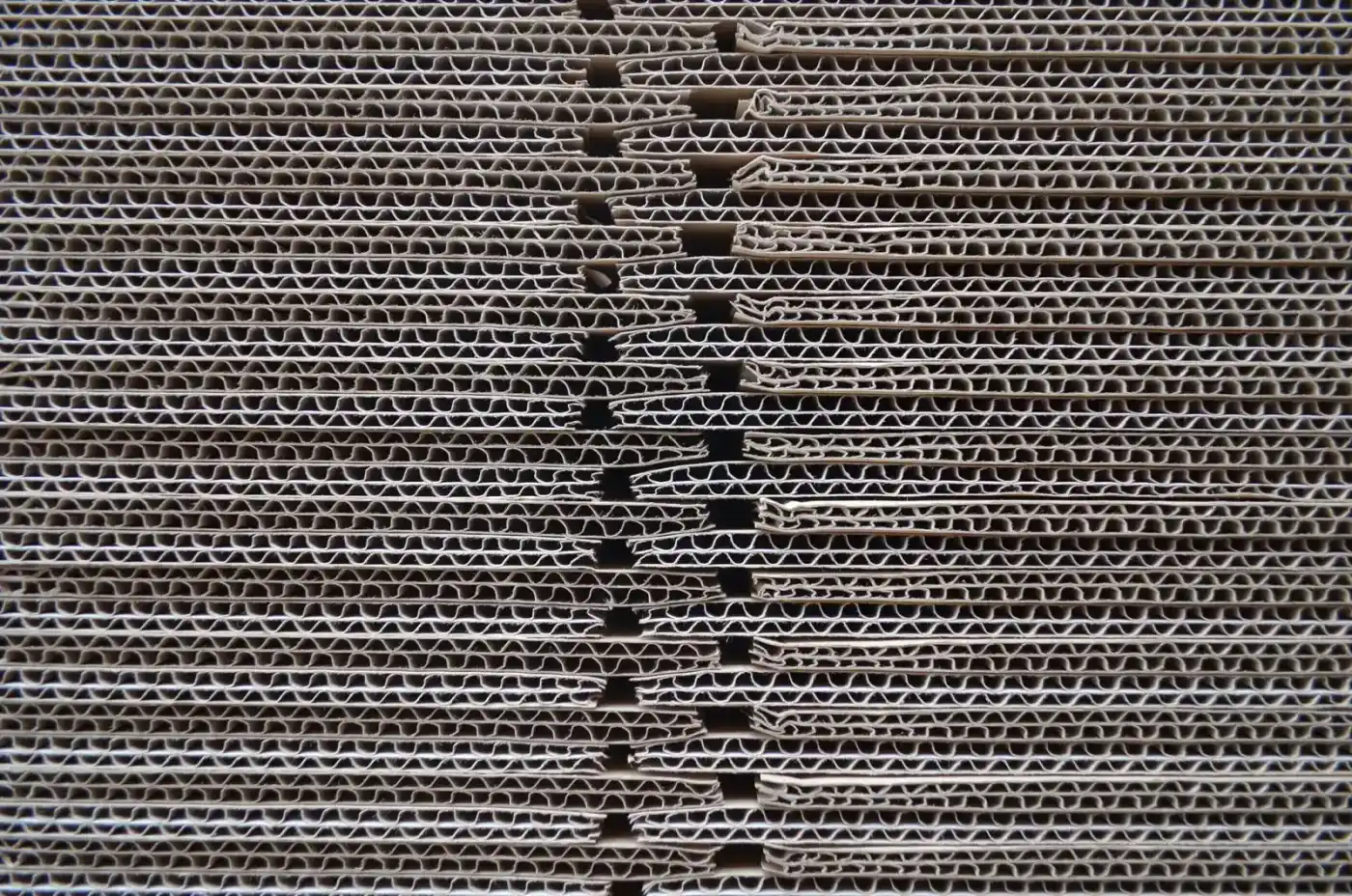
What a flute is
Corrugated board is a wavy sheet of paper, the flute, glued between flat sheets called liners. The wave is what gives it strength. Packaging Corporation of America describes A-flute as the tallest, at approximately 3/16 of an inch (4.8 mm) with an average of 33 flutes per foot, and F-flute as approximately 1/32 of an inch (0.82 mm) tall with an average of 125 flutes per foot, on its flute size guide. Flute names reflect the order they were developed, not their size.
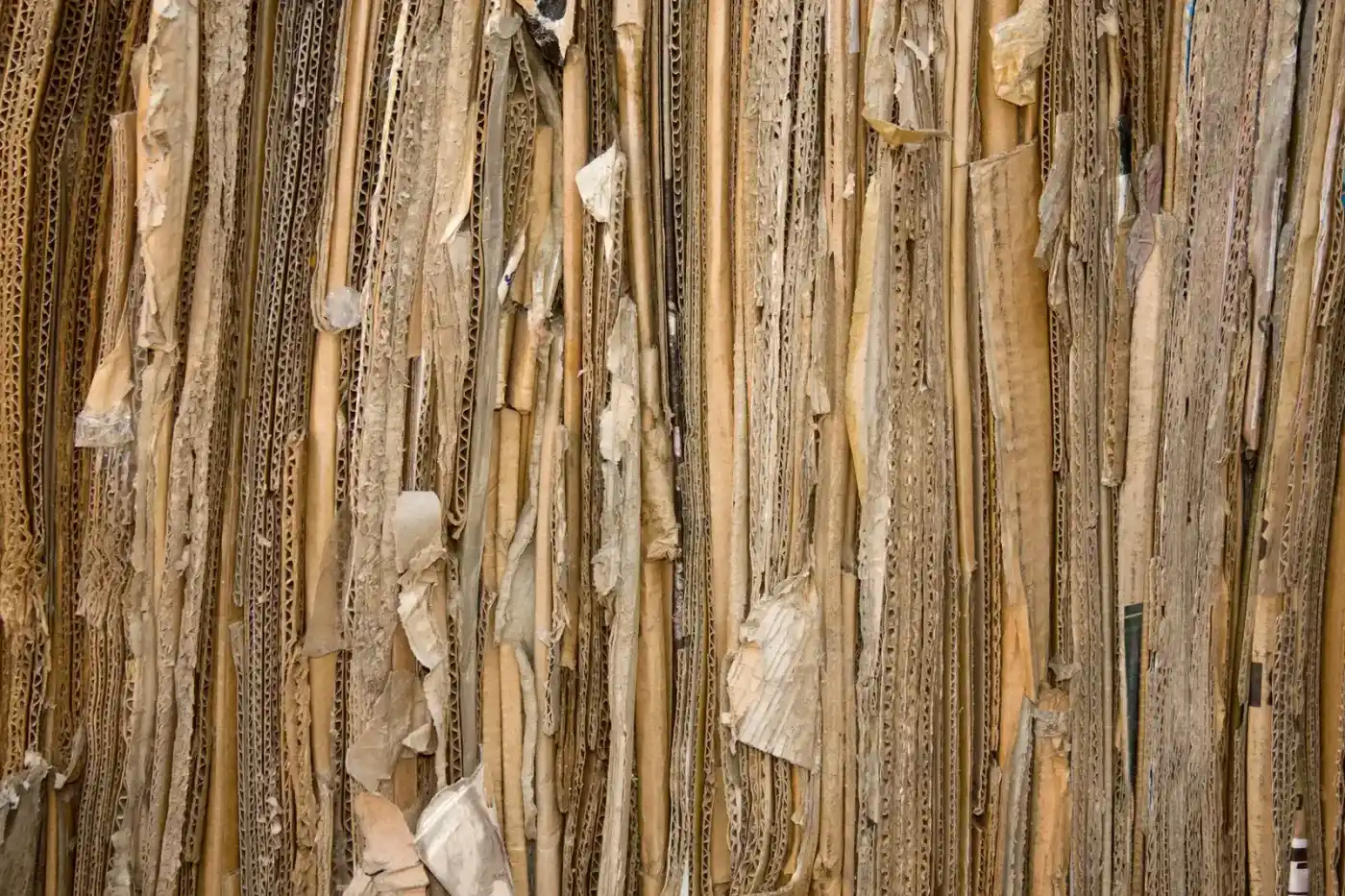
A, B, C, E and F flute compared
| Flute | Height | Flutes per foot | Where it's used |
|---|---|---|---|
| A | Approximately 3/16 inch (4.8 mm) | 33 | Cushioning for fragile goods |
| B | Roughly 1/8 inch | n/a | Heavier products, stacking, glass |
| C | Between A and B | n/a | General shipping cartons |
| E | Roughly 1/16 inch | n/a | Mailer boxes, printed shipping boxes |
| F | Approximately 1/32 inch (0.82 mm) | 125 | Fine print on small retail boxes |
Heights for A and F come from Packaging Corporation of America. B and E are our rules of thumb for wall thickness. We haven't printed figures we can't source, so 'n/a' means check your supplier's spec sheet.
E flute vs B flute
This is the choice most brands face. Most mailers are E-flute: thin enough to fold cleanly and print well, strong enough for most products. B-flute is thicker, so it suits heavier products such as bottles or candles in glass. The trade-off is a slightly softer print surface.
- Printed mailer for a light product: E-flute. See custom mailer boxes.
- Heavier product or glass: B-flute, often with an insert.
- Plain shipping box: custom shipping boxes cover the options.
- A box sized by thickness: a thicker flute changes the outside size. How to measure a box explains inside and outside.
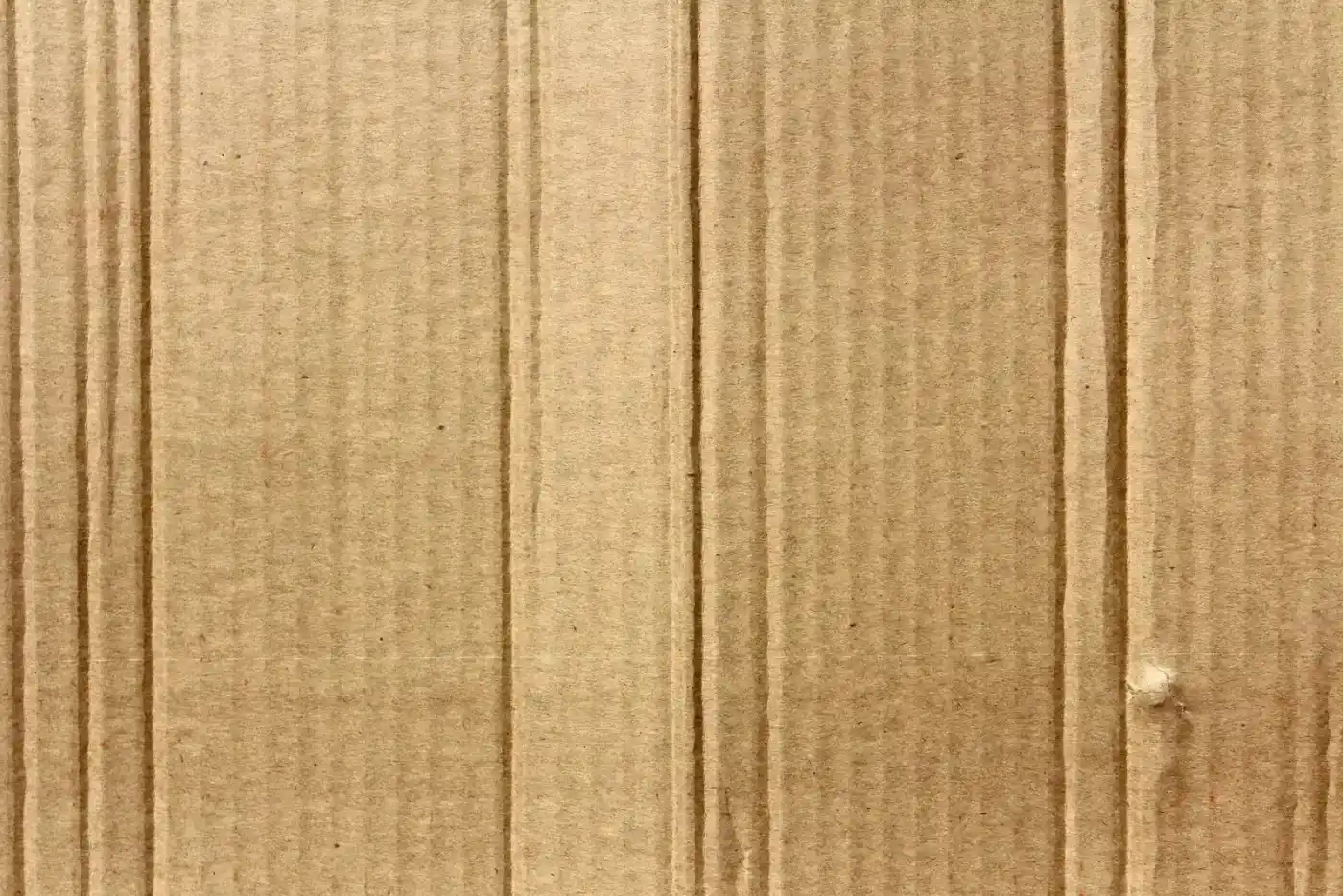
How flute affects print and recycling
The thinner the flute, the less the wave shows through the liner. That's why fine print goes on thin flutes and rougher shipping cartons use thicker ones. Liner color changes print too: custom kraft boxes shows how ink sits on brown board.
Corrugated is paper, and paper and paperboard had a 68.2% recycling rate in 2018, the highest of any material in US household waste, per the EPA. Keep it recyclable by skipping plastic lamination.
When not to order a custom flute
- You're shipping heavy industrial goods. A stock-box supplier with a spec sheet will serve you better. We make printed boxes from 50 units.
- You need under 50. Custom boxes start at 50 units per design.
- You need them this week. Production takes 10–12 days from proof approval, plus shipping.
If you're choosing between E and B for a product, send its size and weight and your specialist will pick. See also custom cardboard boxes.
Frequently asked questions
What are the different flute types in corrugated board?
A, B, C, E and F. A is the tallest and F is the thinnest. Taller flutes cushion and stack better. Thinner flutes give a smoother surface for print.
What is the difference between E flute and B flute?
E-flute is thinner, roughly 1/16 inch per wall, and prints better. B-flute is thicker, roughly 1/8 inch, and suits heavier products such as glass. Most mailers are E-flute.
How tall is A flute?
Approximately 3/16 of an inch (4.8 mm), with an average of 33 flutes per foot, according to Packaging Corporation of America.
Which flute is best for printed boxes?
Thinner flutes such as E and F give a flatter surface, so print looks cleaner. Heavier products may still need B-flute.
Is corrugated cardboard recyclable?
Yes. It's paper, and paper and paperboard had a 68.2% recycling rate in 2018 per the EPA. Plastic lamination reduces recyclability, so skip it.