Design
Box template: free vs custom, and how to make one
A box template is a flat drawing of a box that shows where it is cut, folded and glued. Print it, cut along the solid lines, fold along the dashed lines, glue the flap, and you have a box. Free templates are fine for a craft box. For a product box you'll order in volume, you need a template drawn around your product.
Trade people call the same thing a dieline. The words are interchangeable, but the use isn't: a download gives you a shape, while a dieline gives you a box that fits what's in it.
By Talha LoneUpdated
What the lines on a box template mean
| Mark | What it means | What to do |
|---|---|---|
| Solid line | Cut line | Cut here |
| Dashed line | Fold or crease line | Score and fold |
| Shaded flap | Glue flap | Apply glue and press to the matching panel |
| Outer margin | Bleed | Extend background color into it |
| Inner margin | Safe area | Keep text and logos inside |
These marks are the same on every template, from a free download to a factory die. Wikipedia's carton entry notes that in 1879 Robert Gair's Brooklyn factory combined cutting and scoring paperboard into a single impression. Every die since works on that idea.
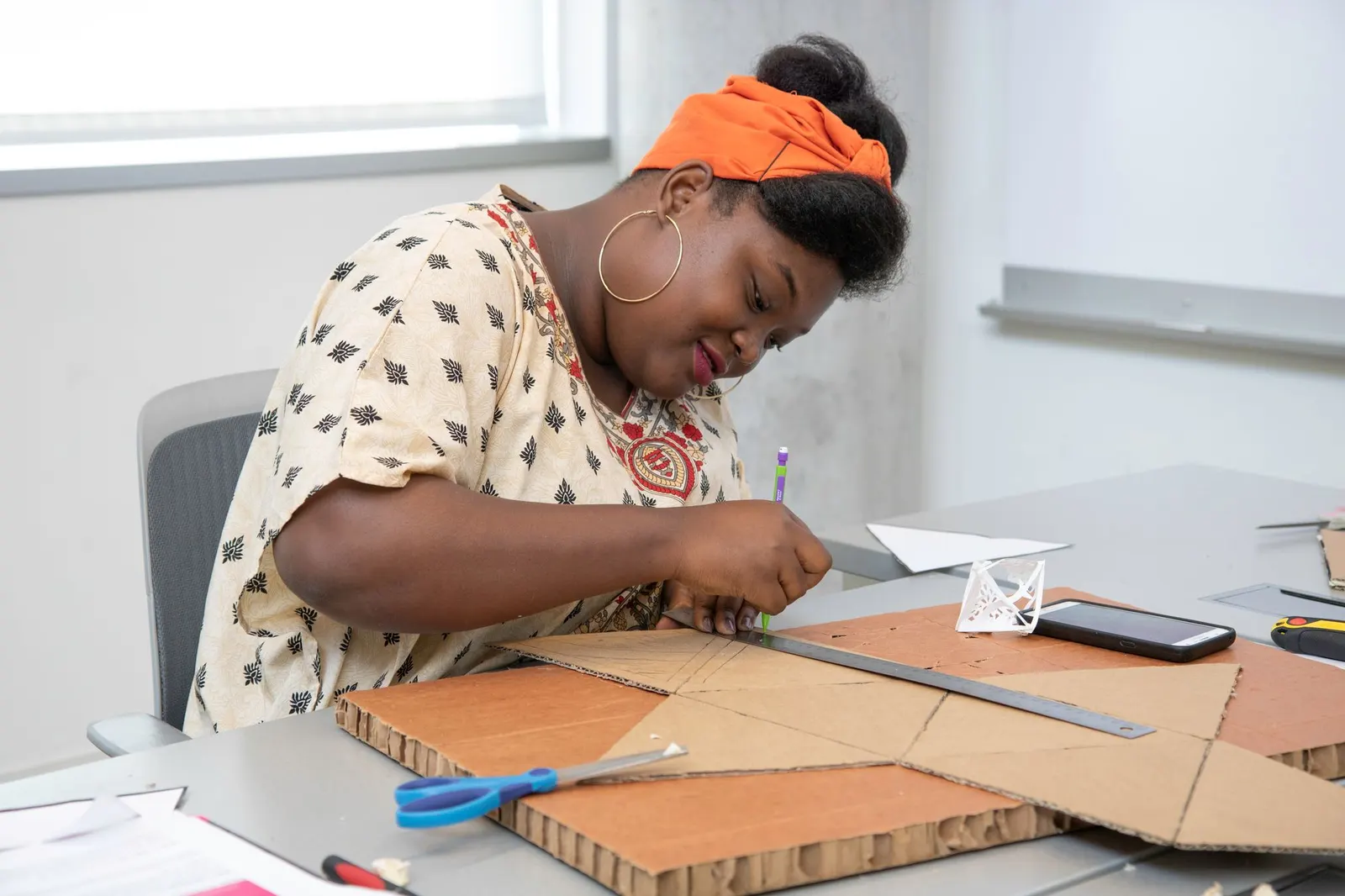
How to make a box template at home
- Measure the dimensions. Length x width x height, in that order. See how to measure a box.
- Draw the net. Four side panels in a row, a bottom and a top, plus a glue flap on one edge.
- Cut. Use a ruler and a craft knife on a cutting mat.
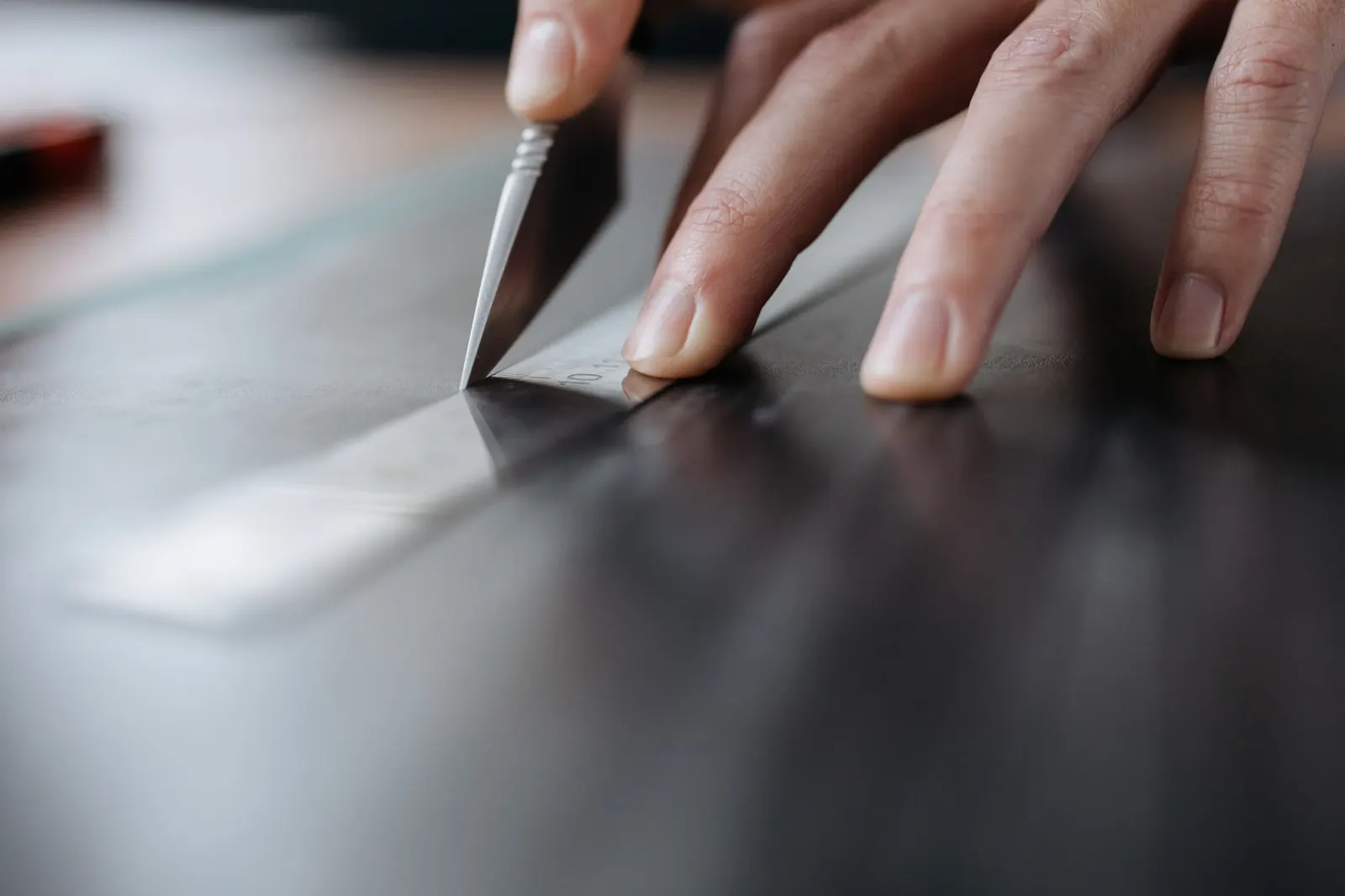
- Score and fold. Press the fold lines with a ruler edge so the card bends cleanly.
- Glue and test. Fit the item in before you make ten.
Use cardstock rather than printer paper. A standard 8.5 x 11 inch sheet also limits you to small boxes, so scale up on larger card.
Template or custom dieline?
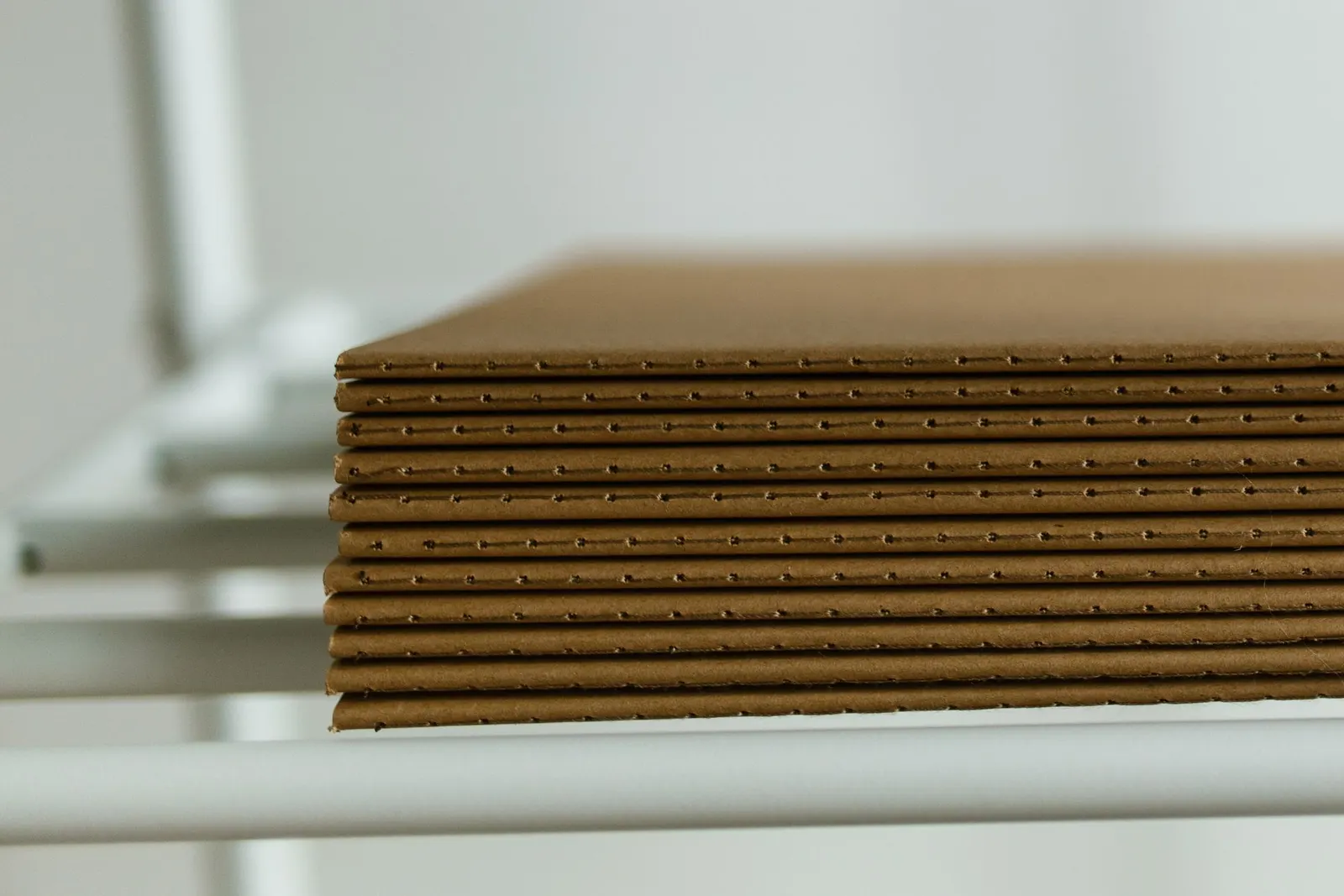
A generic template doesn't know your board. Box makers quote inside dimensions, but the outside is bigger by the board's thickness on each side: barely anything for paperboard, roughly 1/16 inch per wall for E-flute and 1/8 inch for B-flute. A template drawn for paperboard won't fold up right in corrugated.
Here's where it goes wrong. Say you sell a candle in a tall tuck-end carton that opens at the top, 3 inches square and 5 inches tall. The opening is 3 x 3, so the box is 3 x 3 x 5. Pick a template for 5 x 3 x 3 and you get a carton that opens on its long side and won't stand up on a shelf with the tuck on top.
Don't add clearance to your own measurements. We add it when we draw the dieline, based on the board and any insert. Structural design is $0. See custom folding cartons.
Common box templates
- Tuck-end carton. The standard retail box. Soap, candles, tea.
- Pillow box. Curved ends for light gifts.
- Gable box. A peaked top with a handle. See the gable box guide.
- Cereal box. A tall carton opening at the top. See the cereal box template.
- Mailer box. One corrugated piece that folds into a self-locking box. See custom mailer boxes.
Pro designers build artwork on the template in vector software, for example Adobe Illustrator, which Adobe's packaging design guide covers alongside templates in its FAQ.
When not to use a free template
Free templates are the wrong tool when the box will be manufactured. Production boxes need a dieline for the specific board, with bleed and a printer-ready file.
- You plan to order 50 or more. Ask for a dieline. It's free until you order.
- The box will be shipped. A paper template won't survive a delivery truck. Use corrugated.
- You need fewer than 50. A stock box with a sticker is cheaper.
Send the product's length x width x height, or a photo of it on a ruler, and say how it opens.
Frequently asked questions
What is a box template?
A flat drawing of a box showing cut lines, fold lines and glue flaps. Fold it up and it becomes the box.
What is the difference between a box template and a dieline?
None in the drawing itself. In practice, a template is often generic and free, while a dieline is drawn for your product, board and print.
How do I make a box template?
Measure the item, draw the four sides, bottom, top and a glue flap as one flat shape, then score and fold. Test one box before making more.
Can I use a free box template for production?
Usually not. Board thickness changes where folds fall, so production needs a dieline for the actual board.
Do you provide box templates?
Yes. We draw the dieline around your product for $0. You don't pay for the drawing until you order boxes.