Sustainability
Compostable packaging: what it means and how to check a claim
Compostable packaging breaks down into compost under composting conditions, and for most products that means a commercial facility, not a backyard heap. Look for a third-party mark such as BPI's and check that a facility near your customer accepts it. Without that, a compostable box ends up in landfill like any other.
That gap between the label and the bin is the whole story. This guide shows how to check a claim, where paper fits, and when you should send your enquiry to a different supplier.
By Talha LoneUpdated
What compostable means
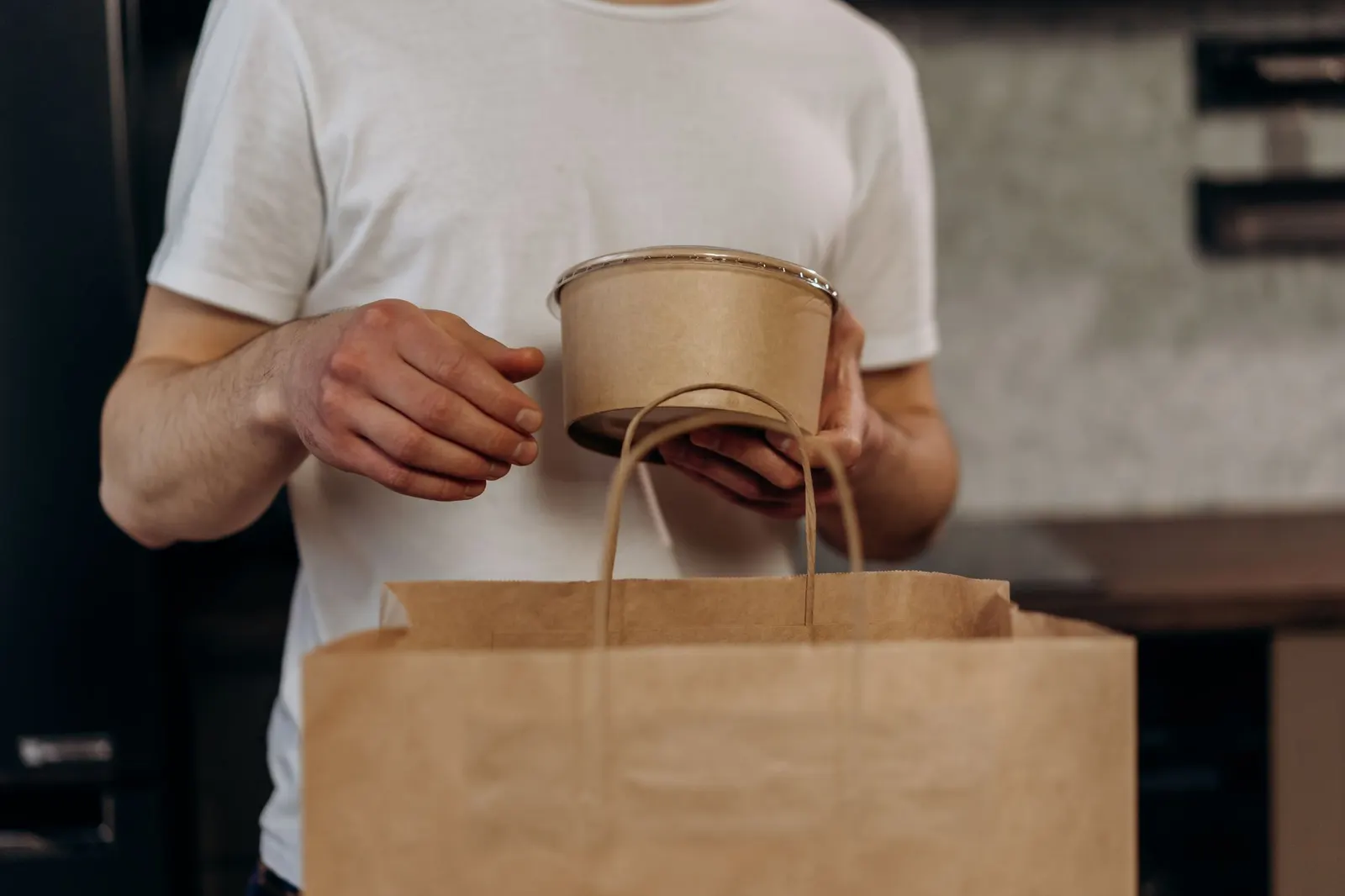
Compostable means the material turns into usable compost, safely and in about the same time as what it's composted with. That wording comes from the FTC's Green Guides, which also say a compostable claim should be qualified if the item can't be composted safely or in a timely way at home.
Compostable and biodegradable are not interchangeable. Everything compostable is biodegradable, but not everything biodegradable is compostable. We cover the second half in biodegradable packaging.
How to check a compostable claim
- Look for a third-party mark. BPI is a verification body that certifies products meet ASTM standards for compostability in North America, per BPI. A seller's own word is not that.
- Ask where it composts. Home composting and commercial composting are different. Most certified items are meant for commercial facilities.
- Ask if a facility takes it near the customer. The FTC says a claim about municipal or institutional composting should be qualified if those facilities aren't available to a substantial majority of consumers.
- Check the lining. A plastic-based liner or coating changes the answer.
Paper box or compostable box?
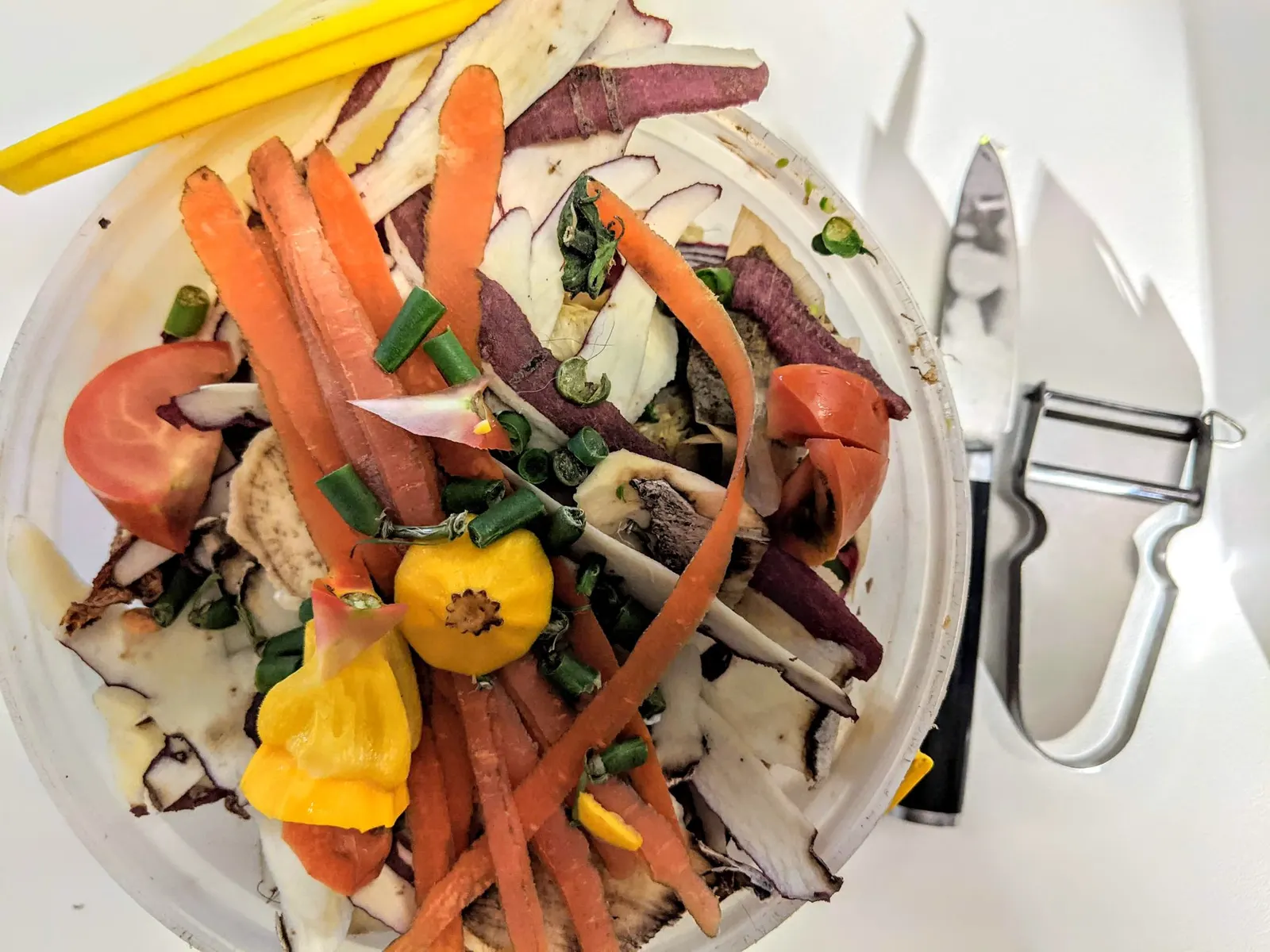
Paper has a head start. It goes in curbside recycling, which most households can reach, and the EPA puts paper and paperboard recycling at 68.2%. A compostable item only helps if it reaches a composter.
| Paper-first box | Certified compostable item | |
|---|---|---|
| Where it goes | Curbside paper recycling | A facility that accepts it |
| Proof to ask for | No plastic lamination or film | A third-party mark such as BPI |
| Best for | Retail and shipping boxes | Food-contact items where composting is the route |
| Our position | What we make: 100% recyclable paper-first materials | Not something we certify |
Our aqueous coating is water-based and recycles with the box. Lamination and window film add plastic, so skip them if recycling is the goal. Kraft boxes are the usual starting point.
When not to order from us
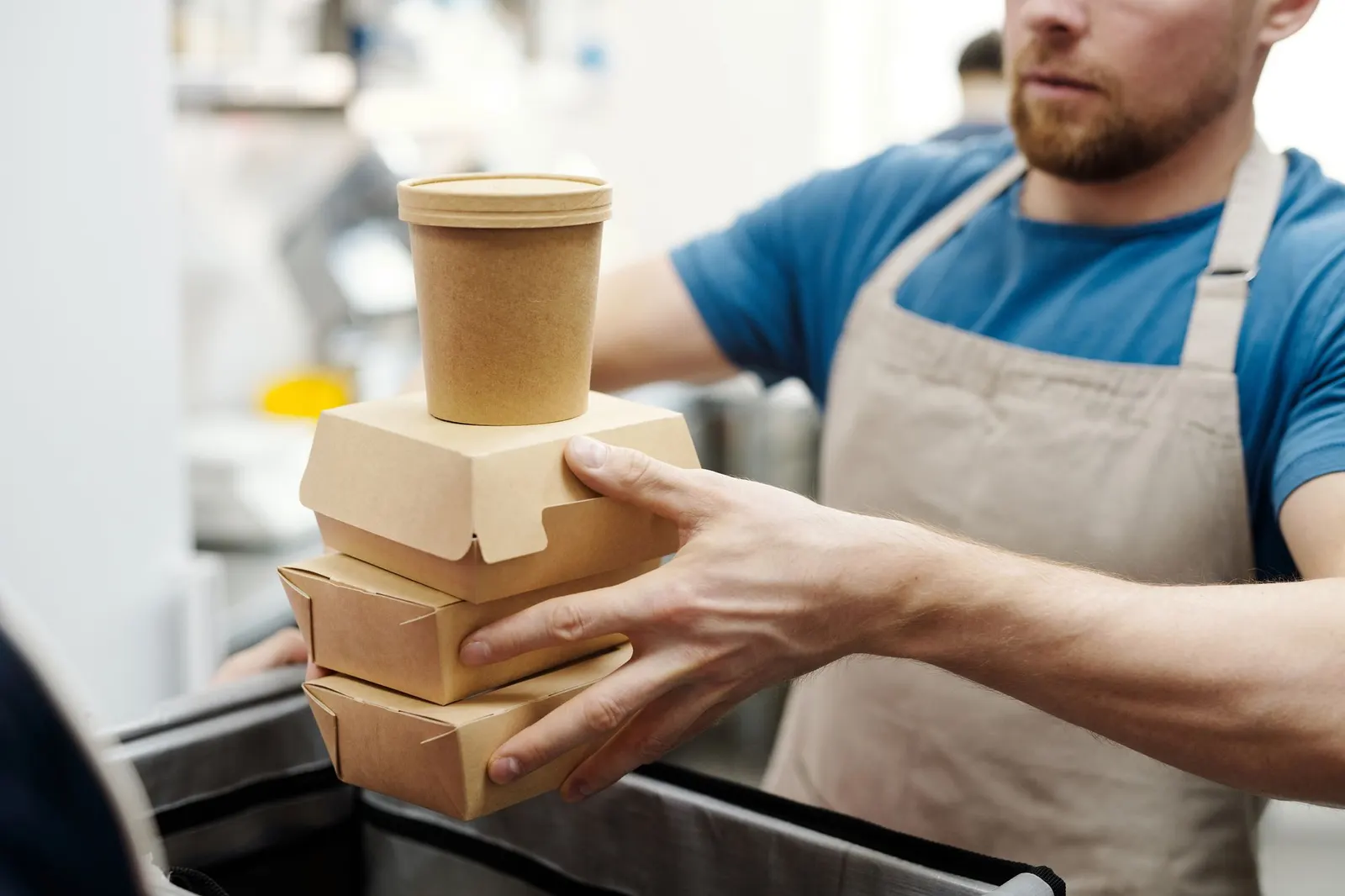
If you need a certified compostable container, we're the wrong supplier. We make printed paper boxes, and we don't promise a compostable certification on them.
- Your customers have no composting access. A compostable item that lands in landfill adds nothing. Recyclable paper is the safer bet.
- You need a food-service container that must be certified. Ask a supplier that holds that certification.
- You need fewer than 50. Buy stock.
If recyclable paper fits, read the pillar guide on eco friendly packaging, then send the product's length x width x height. We draw the box for free.
Frequently asked questions
What is compostable packaging?
Packaging that breaks down into usable compost under composting conditions. For most certified products those conditions exist only in commercial facilities.
What is the difference between compostable and biodegradable?
Compostable items must become usable compost in a similar time to the material they are composted with. Biodegradable is a broader term. All compostable packaging is biodegradable, but not the reverse.
Is compostable packaging better than recyclable packaging?
Only if it reaches a composter. Paper and paperboard recycle at 68.2% per the EPA, and curbside access is widespread, so a recyclable paper box is the safer default.
What does BPI certification mean?
BPI is a third-party verifier. Its certification shows a product meets ASTM standards for compostability in North America.
Are your boxes compostable?
We make 100% recyclable paper-first boxes. We don't promise a compostable certification, and lamination and window film add plastic.