Design
Packaging design: how to design a box that sells and ships
Packaging design is the structure of a box and the graphics printed on it, planned together so the product is protected, the brand is clear and the box can actually be made. Work out the structure first, then the artwork. Do it the other way round and a good logo ends up on a box that doesn't fit.
Most design advice covers the look and skips the shape. This guide puts them in order, shows what changes when ink meets board, and says when you shouldn't go custom at all.
By Talha LoneUpdated
What packaging design covers
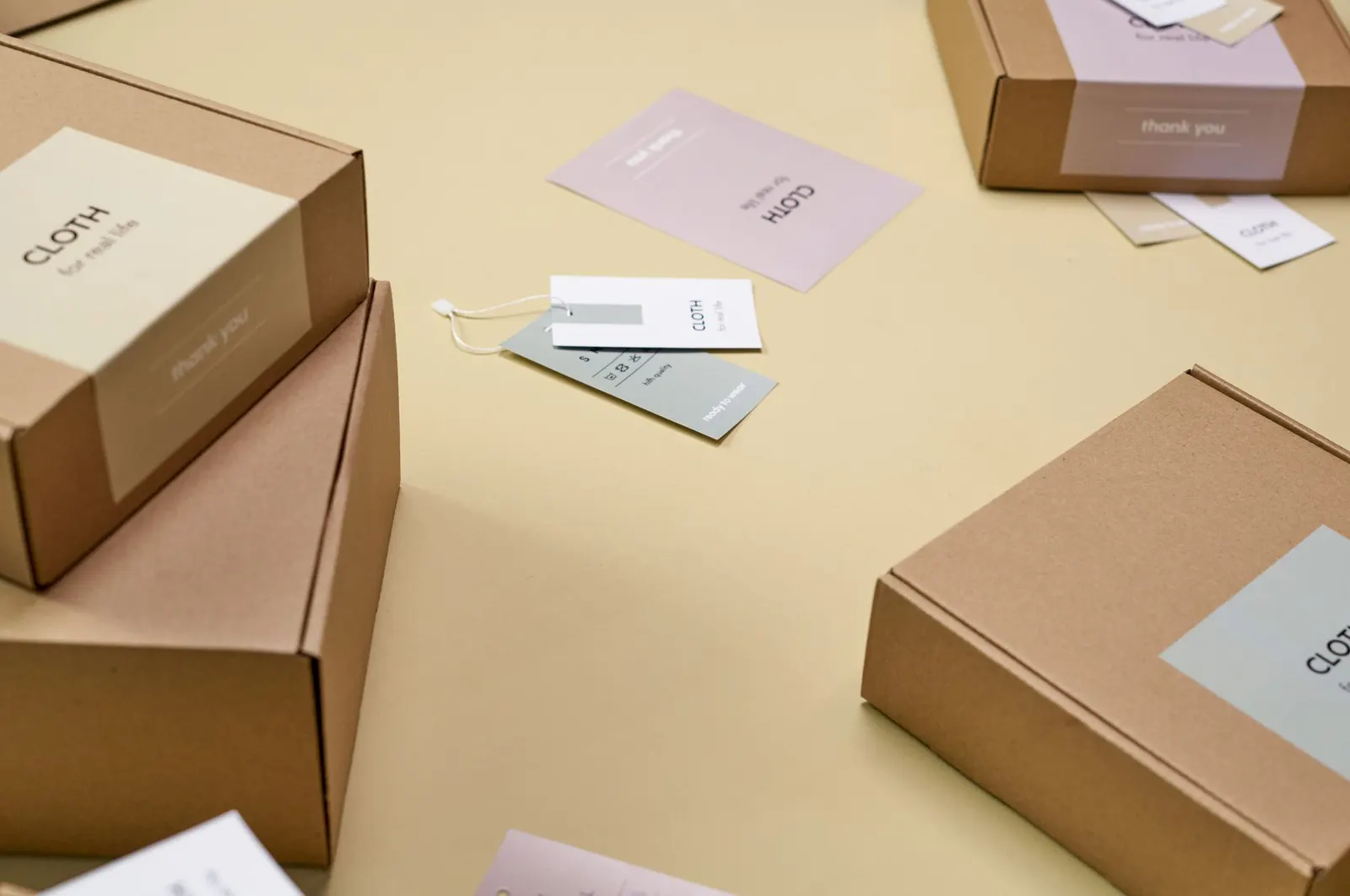
Two jobs share the name. Structural design is the physical box: its style, size, board and how it opens. Graphic design is everything printed on it: logo, color, type, images and legal text. Adobe's packaging design guide splits the work into research, sketching, developing the concept and iterating on feedback. That order holds for a small brand too.
The two jobs depend on each other. The structure decides how much flat area you have to print on, where the folds fall and which panel people see first. A design made before the structure is a guess.
The order to design in
- Measure the product. Length x width x height at the widest point of each side. How to measure a box covers the order and the inside versus outside trap.
- Pick the box style. Does it ship alone or sit on a shelf? Types of boxes sorts the options by job.
- Get the dieline. That's the flat drawing showing where the box is cut, folded and glued. Structural design is $0, so you don't pay for the drawing until you order boxes.
- Place the artwork on the dieline. Keep text and logos away from folds and cut edges.
- Check the proof. Colors, folds and the wording on every panel.
- Order a small first run. 50 units is enough to see the box in real hands.
Send your artwork early, so your specialist can flag anything that won't hold up before the digital proof. How the box opens is part of the design too: see unboxing experience.
What changes when ink meets board
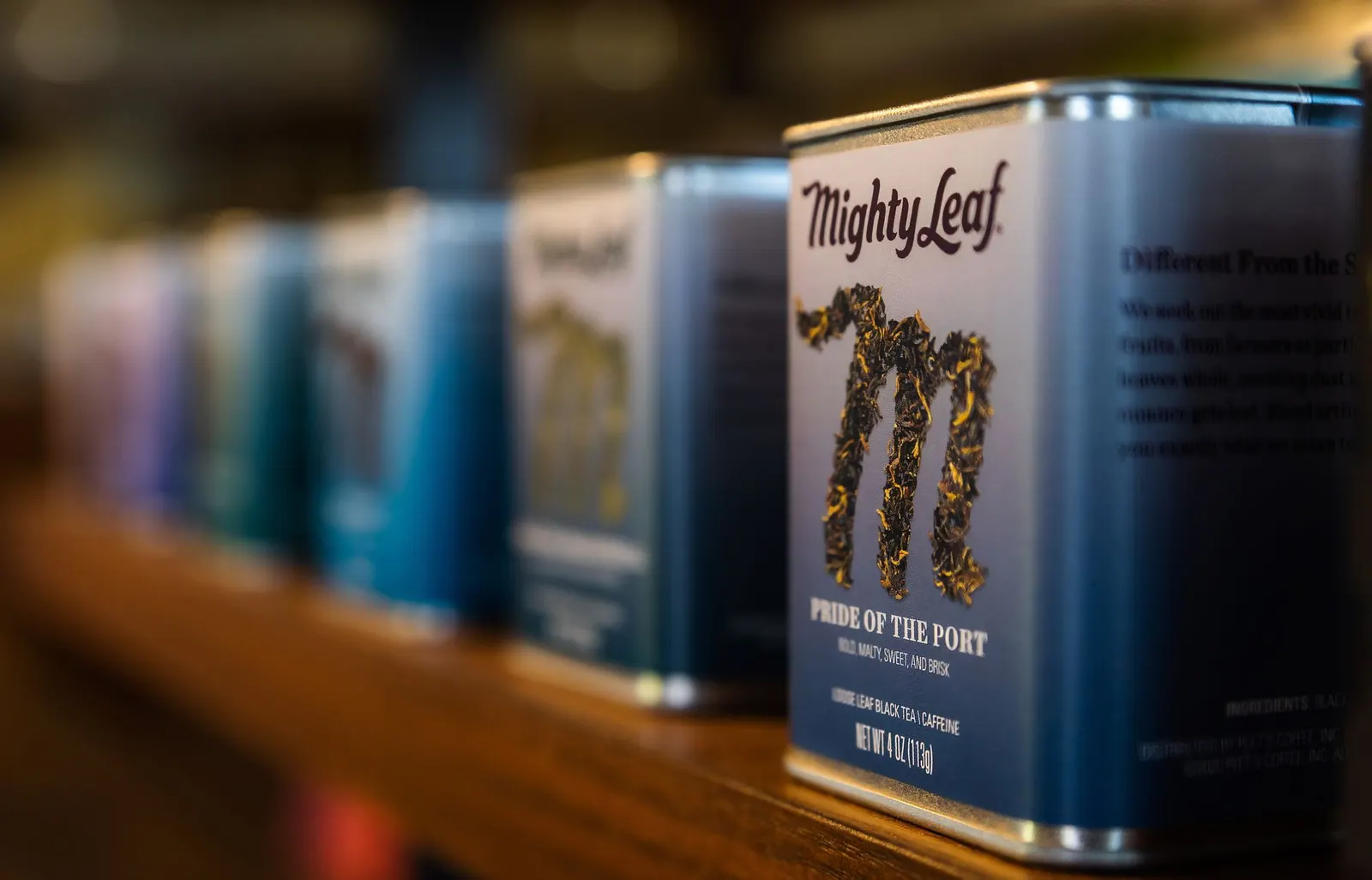
Screens add light. Boxes don't. Ink sits on the board, so the board color shows through and shifts every color you chose.
| Choice | What happens | Our advice |
|---|---|---|
| Kraft (brown) board | Every color prints darker and duller | One or two strong inks. Black works best |
| White board | Colors stay close to the screen | Pick it for pale brands and photos |
| Full-color photo | Fine on white, flat on kraft | Use white board |
| Logo in white | Disappears on kraft | Print it dark, or use white board |
| Aqueous coating | Water-based and goes on every box | Leave it on. It recycles with the box |
Here's where it goes wrong. A brand with a pale pink logo orders kraft boxes. The brown shows through, so the pink prints as beige. If that's your color, choose white board. The full breakdown is in custom kraft boxes.
Most boxes need one finish, not four. Aqueous coating already protects every box, so anything on top is decoration. Pick the one that goes on the logo, such as foil stamping.
Test the design before you commit
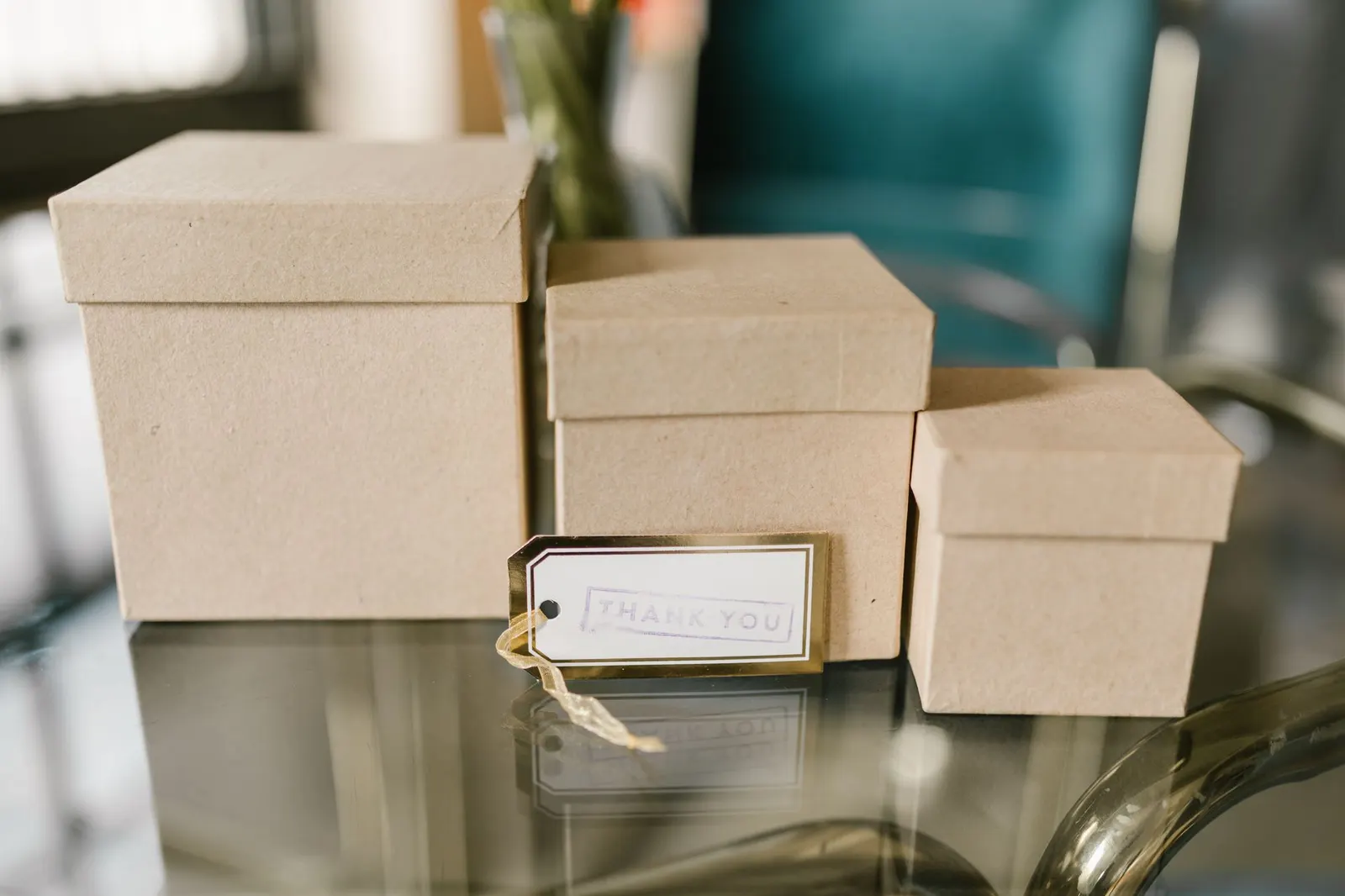
A box that looks right on screen can still fail on a doorstep. If it ships on its own, drop a packed sample from waist height and shake it. ISTA, a nonprofit that publishes package testing procedures, exists because damage in transit is common enough to need standards. You don't need a lab for a first run. You need one packed box and honest hands.
Then use the 50-unit run as the real test. Put the box in front of customers before you order thousands.
When not to go custom
If a stock box already fits and you don't need it printed, buy stock. It's cheaper and faster. Custom design pays off when the box has to fit tightly or carry your brand.
- You need fewer than 50. A stock box with a printed sticker will cost you less. If you need fewer, tell us and we'll say what's possible.
- You need them in days. Production takes 10–12 days from proof approval, and shipping is on top.
- The product isn't final. If the size might change, wait. A new size means a new dieline.
Ready for 50 or more? Send the product's length x width x height, or a photo of it on a ruler. It doesn't have to be a good photo. Browse styles in our box range or start with custom folding cartons.
Frequently asked questions
What is packaging design?
It's the design of the box and what's printed on it. Structural design covers the shape, size and board. Graphic design covers the logo, color, type and images. Both have to be planned together.
What is the difference between structural and graphic packaging design?
Structural design decides how the box is built and how it opens. Graphic design is the artwork printed on it. We draw the structure around your product for $0, and you or your designer supply the artwork.
What software is used for packaging design?
Vector software such as Adobe Illustrator is the usual choice, because a dieline is a line drawing and the artwork has to sit exactly on it. We send the dieline as a file your designer can place artwork on.
How long does it take to make custom packaging?
Production takes 10–12 days on most orders, counted from proof approval. Shipping time is on top. Design and proof rounds come before that clock starts.
Do I need a designer?
Not always. If your logo is one or two strong colors, you can place it on the dieline yourself. If the box carries photos or a lot of text, a designer saves proof rounds.